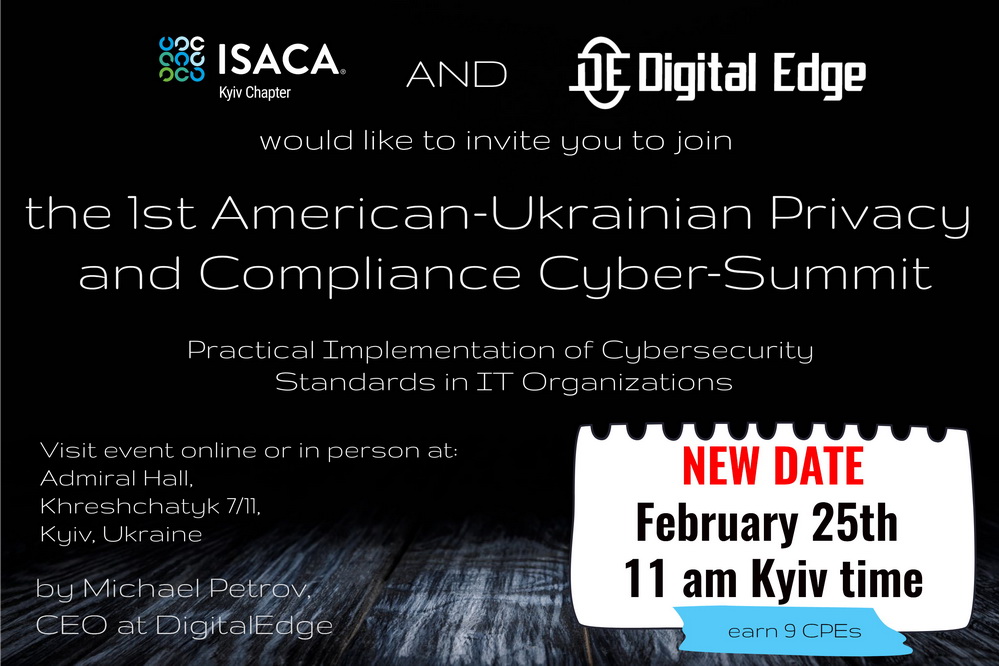
Digital Edge is a Verizon Data Breach Report Contributor Third Year in a Row!
Digital Edge is proud to be a Verizon Data Breach Contributor for the third year in a row!
Digital Edge is proud to be a Verizon Data Breach Contributor for the third year in a row!
Updated November 2026: the original post is kept above; the sections below add context for readers today.
About the Verizon DBIR
The Verizon Data Breach Investigations Report is one of the most cited studies of real security incidents. Each year it analyzes thousands of confirmed breaches contributed by dozens of organizations around the world, including incident response firms, law enforcement and security providers.
Contributing means sharing anonymized data from the incidents we handle, so the whole industry learns which attacks work and which defenses stop them. It also keeps our own teams close to the evidence.
What the reports keep showing
- Stolen credentials and phishing remain among the most common ways in.
- Unpatched, internet-facing systems are exploited quickly.
- Third parties and suppliers are a growing share of breaches.
Read our own analysis in Digital Edge’s contribution to the 2017 report, and see how our MDR service applies these lessons.
How companies can use the report
The DBIR is most useful when you read it for your own industry. Each edition breaks down incidents by sector, so a bank, a hospital and a software company can see which attack patterns hit organizations like theirs most often. Use those patterns to check your own defenses: if stolen credentials lead the list, review multifactor authentication and password policies first; if web application attacks lead, look at patching and testing of internet-facing systems.
The report is free to download from Verizon every spring. Pair it with an honest review of your own incidents and near misses, and you have the basis for a security plan built on evidence rather than guesswork.
Digital Edge reads each new edition with its security and compliance teams and turns the findings into practical checks for the clients we protect, from phishing training to faster patching of exposed systems.